
Generative AI tools like ChatGPT, Claude, and Gemini are reshaping how organizations across every sector work, but for nonprofits and advocacy groups, the stakes are higher.
This blog series explores how changemakers can effectively utilize AI while staying true to their values. In this first post, we’ll focus on the foundations: the unique context of nonprofit and advocacy work, and the risks of adopting AI without a human-centered approach.
Coming next: How real organizations are implementing responsible AI strategies, featuring interviews with partners like Jonathan from Alumni Nations and Philippe from Why Impact Strategies.
Why AI implementation differs for nonprofit organizations
AI may be everywhere right now, but not every organization can (or should) use it the same way. For nonprofits and advocacy orgs, AI presents a different set of challenges and opportunities than it does for individuals, tech companies, or brands.
-
Mission over margin. For nonprofits and advocacy organizations, success isn’t measured in clicks or revenue. It’s about impact. That makes it especially important to use AI in ways that support your values, not just your efficiency. An AI-generated message that’s fast but off-brand, confusing, or lacking in empathy can hurt more than it helps.
-
Relationship-driven work. Many advocacy campaigns hinge on trust, empathy, and lived experience. Whether you're drafting a call to action, organizing a volunteer event, or mobilizing supporters during a crisis, your message needs to resonate on a human level. AI tools can support this work, but they shouldn’t replace the relational aspect that makes it effective.
-
Public accountability. Unlike private-sector orgs, many nonprofits and advocacy groups are accountable to donors, boards, constituents, and the public. Transparency around how you use AI (and what you don’t use it for) builds trust.
-
Data sensitivity. From donor histories to personal stories from community members, nonprofit data is often highly sensitive. Feeding this information into public AI tools that learn from your inputs could violate privacy or security best practices. Responsible AI use requires clear internal policies about what can and can’t be shared, and should be implemented into your privacy policy. Independent Sector has an excellent resource center for aligning AI in your internal and external policy.
- Limited resources. Many small organizations are turning to AI because they don’t have a full-time data analyst or content team. That’s a smart use case, but it also means being cautious about over-relying on tools without human oversight.
5 critical AI pitfalls nonprofits must avoid (plus solutions)
With the right guardrails, AI can be a force multiplier for your team. Without care, though, it can introduce risks that undermine your mission.
Think of generative AI tools as scaffolding: they can support the structure of your mission, but they should be the structure itself. Like any good toolset, safety comes first. Once you understand the rules, you can then push the limits to make them work for you.
Here are the five major pitfalls of using AI through the lens of advocacy and non-profit work:
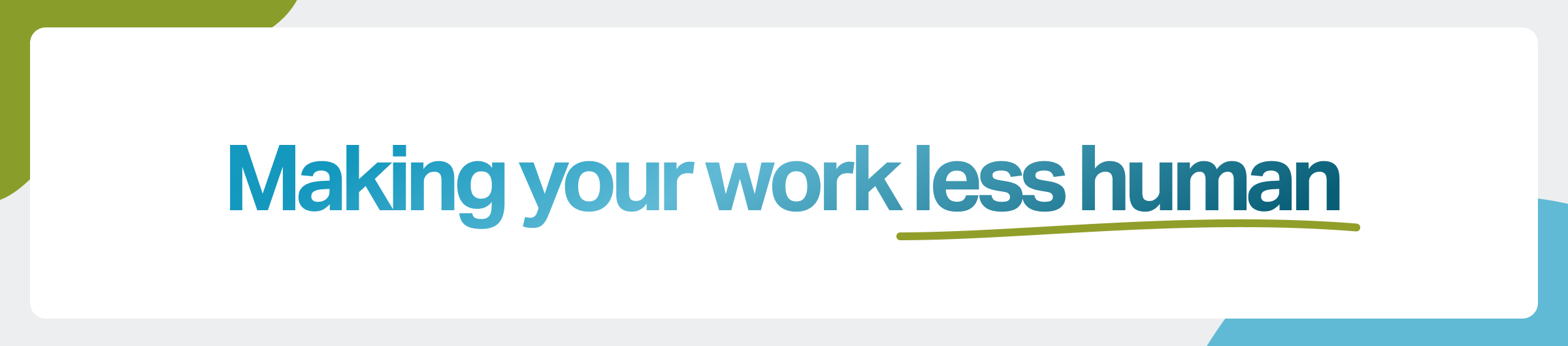
When you’re advocating for change, your message needs to inspire, connect, and move people to action. But often, AI-generated content sounds generic, sterile, or just weird.
How to avoid it: Use AI for first drafts or content structure, but not final delivery. Edit outputs for tone, clarity, and emotional resonance. Consider setting up prompt templates your entire team can use that include key values, audience cues, or message discipline rules.
You may also prompt the AI to scrub your existing site or feed it past emails to determine your tone of voice, and run future blogs and communications through that filter to flag where you might be able to make your voice more consistent.
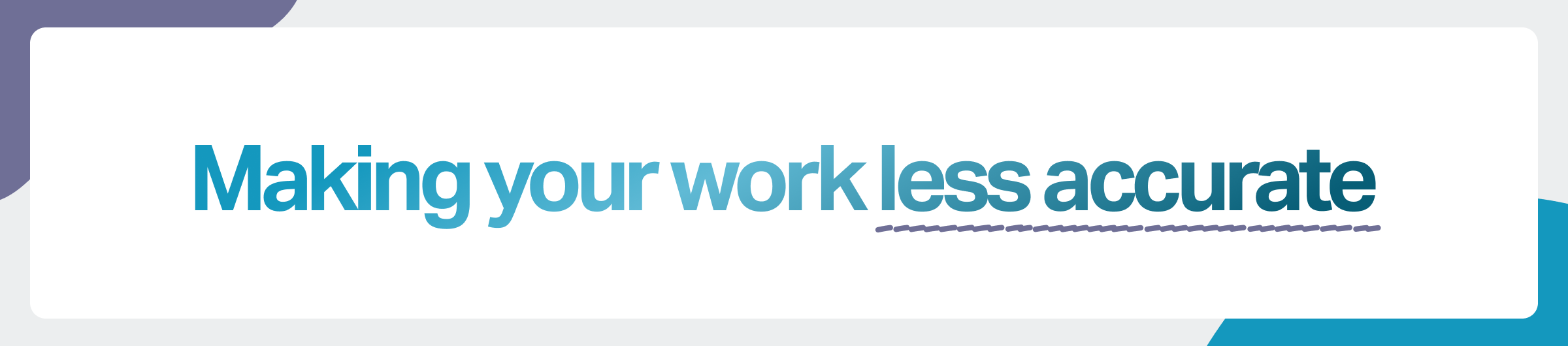
If you’ve ever seen AI hallucinate a statistic or a quotation, you know how risky this can be. For mission-driven orgs, misinformation, even unintentional, can erode trust.
How to avoid it: Try prompting: "Provide 3 recent sources for this claim. If unsure, say so." Always double-check AI outputs. Lean toward using generative AI for synthesis and summaries, but not for final product content. If your AI can’t show its receipts, it isn’t ready to lead your messaging.
For more context or deeper protection from hallucination, check out Anthropic’s anti-hallucination techniques, AI security firm Lakera’s Beginner’s Guide to Hallucinations in Large Language Models, or Nicola Jones’ article in Nature.
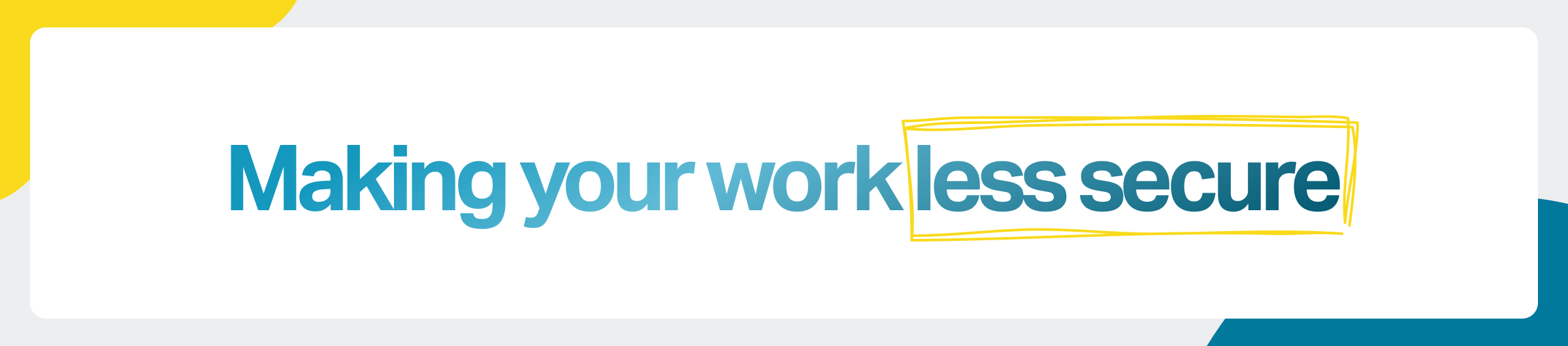
It’s tempting to plug supporter lists or campaign data into an AI tool to get fast insights. But unless you’re using a private or enterprise-level tool, your data may be stored or used to train future models.
How to avoid it: Don’t input sensitive or personally identifiable information into publicly available tools. Use AI locally or with providers that offer strict data privacy guarantees, and educate your team about what’s safe to share.
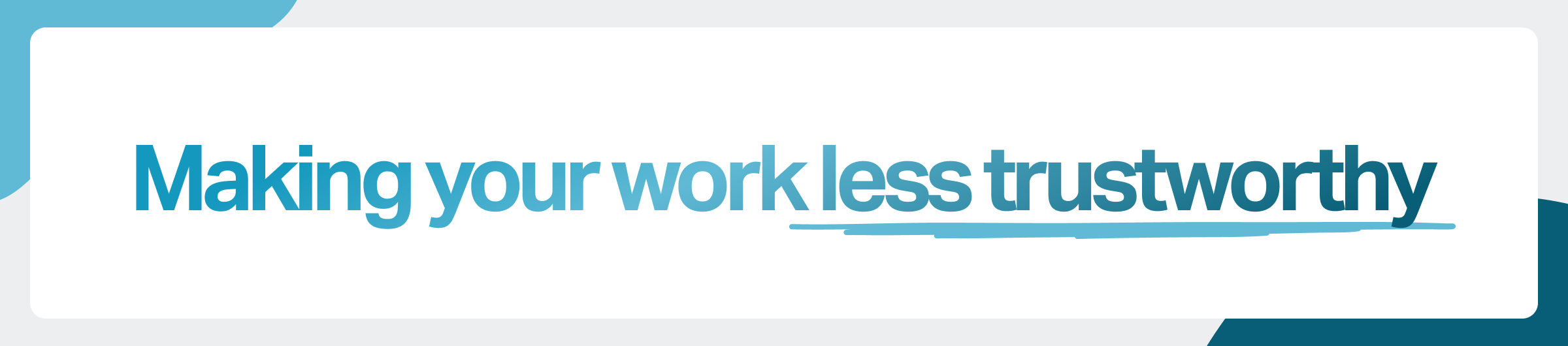
Using AI without transparency can feel dishonest and hurt trust. Even though a ton of content is created every day by generative AI, nonprofits and advocacy groups are held to a different standard. Nonprofit Quarterly writes, “Nonprofits that deploy AI without transparency risk eroding the very trust they’ve worked hard to build.”
How to avoid it: Use AI to support your team behind the scenes, not replace them in public. Supporter expectations are evolving on this, but stick to the scaffolding rule – if it’s supporter-facing, make sure a human checks everything thoroughly.
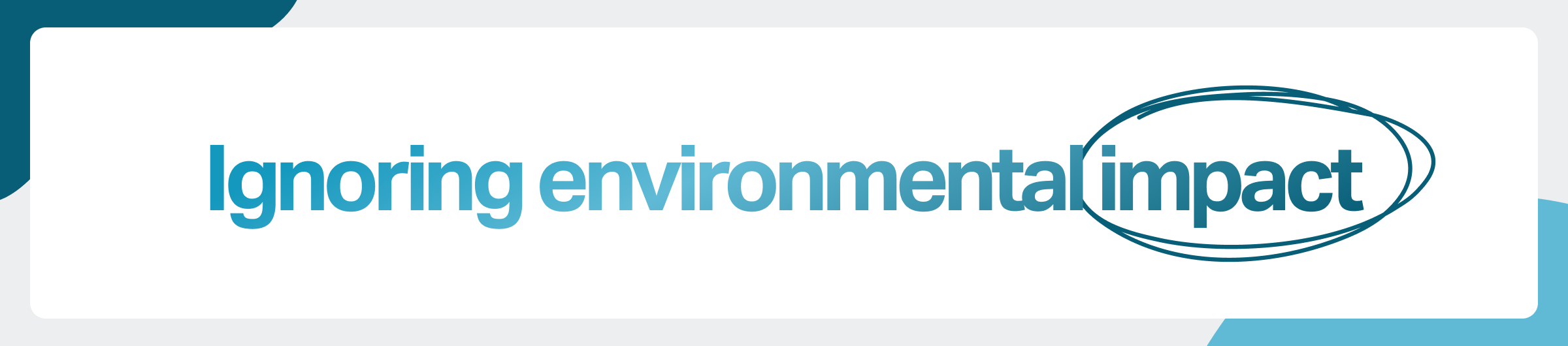
AI models require vast computing power and contribute to the environmental footprint, especially when deployed at scale, including water, cooling, infrastructure, and more, as outlined in MIT Technology Review. If you’re an NGO or advocacy organization focused on the environment, you’ll be doubly scrutinized.
How to avoid it: Be intentional. Don't prompt endlessly. Batch your asks and avoid unnecessary queries. And be transparent. If you are using AI, take the time to develop a public-facing AI disclosure policy.
The golden rule: Keep humans in the loop. AI can handle up to 75% of the heavy lifting, then let humans step in to ensure outputs are accurate, on tone, and aligned with your mission.
Best practices for ethical AI in impact organizations
Generative AI is here to stay. And for nonprofits and advocacy groups, that’s a good thing, if it’s used with care. When you put people at the center, own your data, and use technology to move others to action, you not only reduce risks, you unlock new possibilities.
In the next post, we’ll highlight how NationBuilder partners like Alumni Nations and Why Impact Strategies are building responsible AI practices into their workflows. Until then, start where you are, lead with your values, and let AI support the mission, not the other way around.

Start a 14-day free trial
NationBuilder powers nonprofits, movements, and campaigns as they build the future. Scale your impact with our all-in-one platform that includes tools for fundraising, website, communication, supporter management, and more.
Start a free trial