When Patrick Sweeney graduated with a degree in library science in 2007, he landed his dream job: building a brand-new library from scratch. Then the 2008 recession hit.
"I had to lay off half the staff, take furloughs, cut hours, reduce everything,” says Sweeney. “And I realized I had no idea where library budgets come from. They didn't really teach us that in library school."
From that one experience, Sweeney learned that over 90% of library funding comes directly from voter will and local elected officials, and that the library profession had almost no playbook for fighting back. He set out to write one.
Strategic division leads to multiplication
Sweeney and co-founder John Chrastka launched EveryLibrary in 2012 as a scrappy political action committee. Since then, it has grown into two legal entities, four sub-brands, and a network of 14 statewide organizations with over 600,000 members across the U.S.
EveryLibrary's legal structure is a feature of its strategy. By splitting into a 501(c)(3) research and training arm and a 501(c)(4) social welfare organization, they can engage at every level of the law. This structure powers civic engagement through Take Action for Libraries, Save School Librarians, and their highly successful Fight for the First campaign, EveryLibrary's rapid-response platform for fighting book bans. The nonprofit arm publishes research showing 70% of voters oppose book bans, building the credibility to activate supporters.
The 501c4 then uses NationBuilder's geo-mapping features to identify those supporters by district and mobilizes them to email board members, sign online petitions in minutes using NationBuilder's ready-made petition templates, and volunteer in their community. Since their launch in 2023, Fight for the First has activated over 100,000 advocates across 140 campaigns. Those results show up in the donations coming from supporters. Since adopting NationBuilder Payments, EveryLibrary has seen 127% fundraising growth — with revenue nearly doubling. They measure success by "value per emailable contact," treating their supporter list like the asset it is.
Power mapping: The strategy behind the results
Sweeney learned many important lessons from his first library job (and the recession that followed), but one of the most important learnings is that stories can’t be the only tool in an advocate’s toolkit. This is what drove him to adopt power mapping, a technique from big-money politics, which he outlined in his book, Winning Elections and Influencing Politicians for Library Funding:
Identify the target: The specific person (e.g., Mayor Smith) who can sign the check.
Determine the ask: A specific, actionable demand (e.g., "Vote No on the budget cut on Tuesday").
Map relationships: Every work, family, and social connection of the target decision-maker.
Draw the lines: Find the "secondary target", the person who actually has their ear.
The idea behind power mapping is to find hidden pressure points that can make change happen from unexpected places, and NationBuilder's people profiles support this – you can log 28 relationship types, with more available through custom fields. EveryLibrary uses these to map the networks around decision-makers, identifying who influences a politician, who their donors are, and which supporters are in a given zip code who want to get more involved.
The results can be surprising. Sweeney tells the story of a mayor who spoke out publicly against libraries. A library director knew his wife would be at a local barbecue.
"She purposely sat next to her and talked about library services for young mothers,” says Sweeney, “because she knew that's what the wife cared about. We know it got back to the mayor, because he never said another word about libraries again. She never had to talk to the mayor. She just had to talk to the mayor's wife. That was the power of the network."
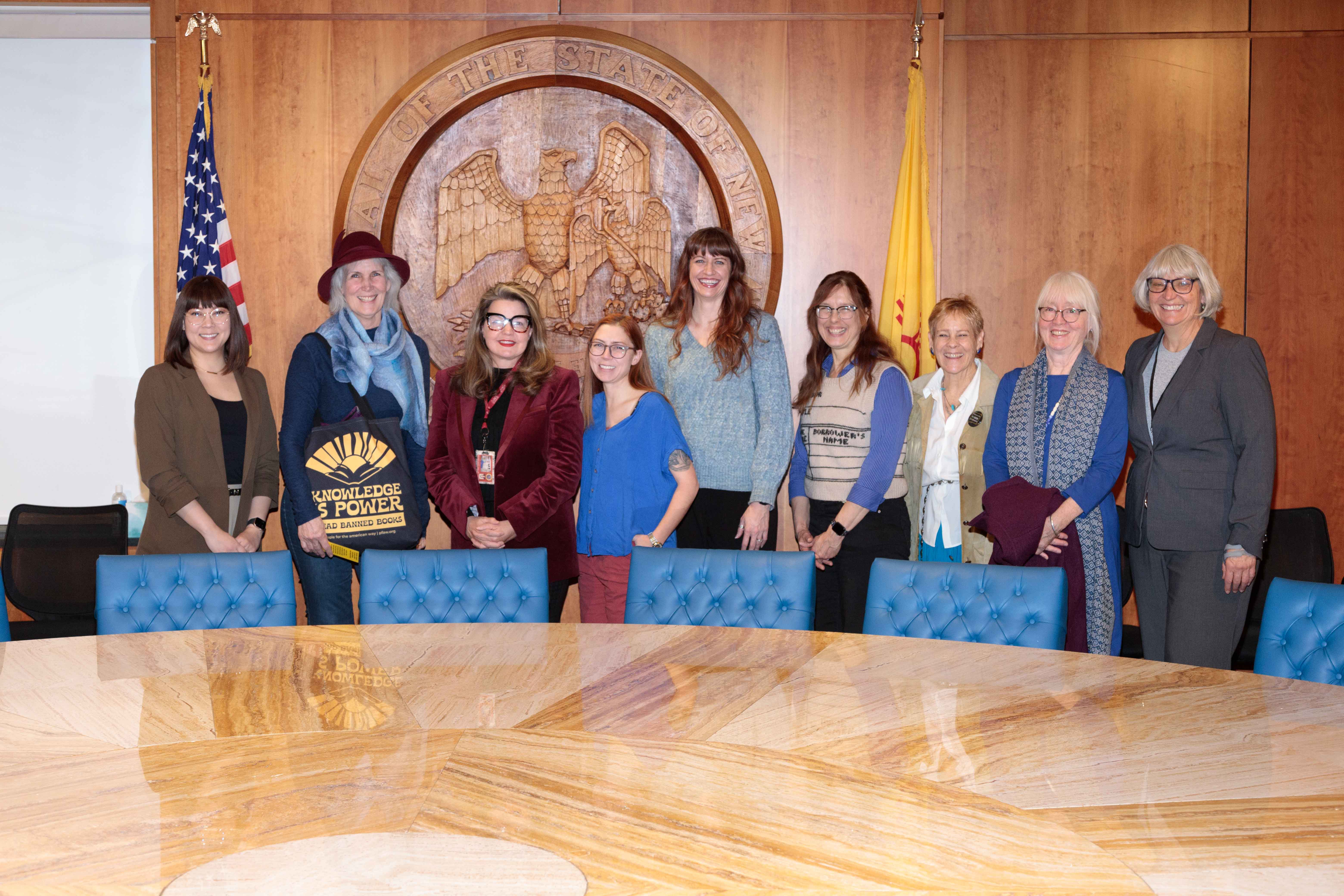
The Run Lead Run initiative is a natural next step in this strategy. Moving beyond influencing decision-makers, EveryLibrary helps supporters become them. In partnership with Run for Office, a project of NationBuilder, Run Lead Run helps librarians and community advocates learn how to run for school board, city council, and other local offices that directly shape library funding.
The ladder of engagement and distributed leadership
EveryLibrary has built a database of 600,000+ activists that can be deployed into any zip code in America for less than the cost of a single opposition mailer. But the real leverage comes from what happens after someone's in their system.
Using NationBuilder’s tags and automated workflows, EveryLibrary tracks supporter journeys from awareness to petition signatures, cultivating and growing the relationship through email. When a local crisis hits, supporters are mobilized to email a board member, share the call to action, or become a donor. That process has equipped statewide organizations like the Texas Freedom To Read Project and the Florida Freedom to Read Project, made up of ordinary community members, to step up and fight for their local libraries.
NationBuilder Groups has also accelerated this distributed model. Since 2024, the number of active NationBuilder users has doubled, a direct result of EveryLibrary's ability to identify passionate local advocates and hand them the tools to work together to support libraries and librarians.

Moving beyond passion
EveryLibrary has only 10 full-time employees, but they leverage smart data, strategic organizational structure, the passion and skills of their supporters, a ladder of supporter engagement, distributed organizing, and power mapping to leverage their advocacy base to take action when library funding is on the line.
They treat library funding and advocacy like a political movement. The result is a proven playbook for activating supporters. Libraries have always had passionate defenders. EveryLibrary turned these community members into the front line of defense against cuts and book bans, and taught them how to win.
“You have to really care about an issue to take action,” says Sweeney. “A lot of those groups aren't librarians — they're just people in the community who want to fight for libraries. It’s gotten far easier to identify supporters, get people to take action, raise money, launch campaigns. Things we couldn't have done 10 years ago.”
See how NationBuilder can help your mission-driven organization build the political power to win.