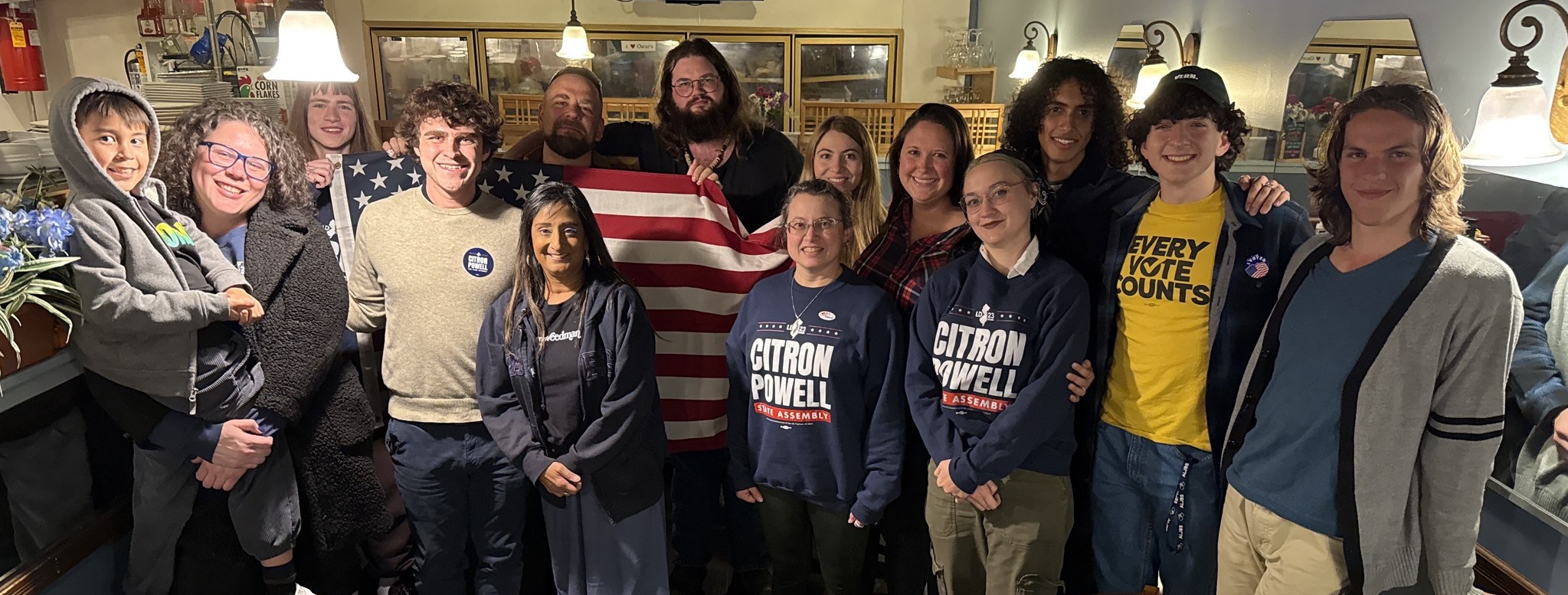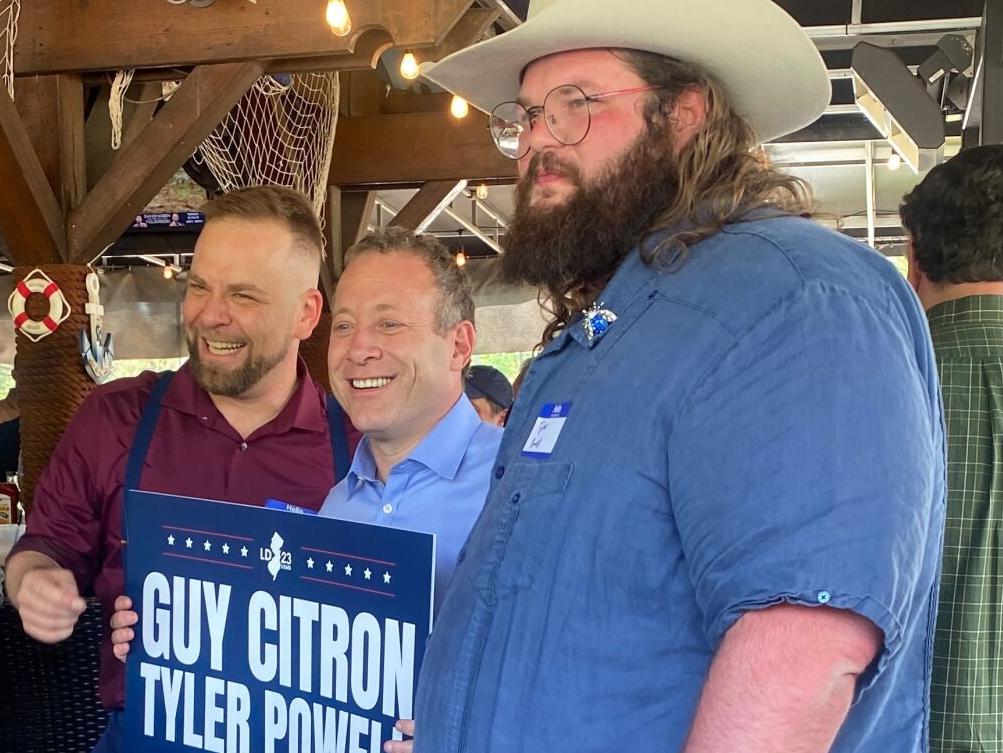
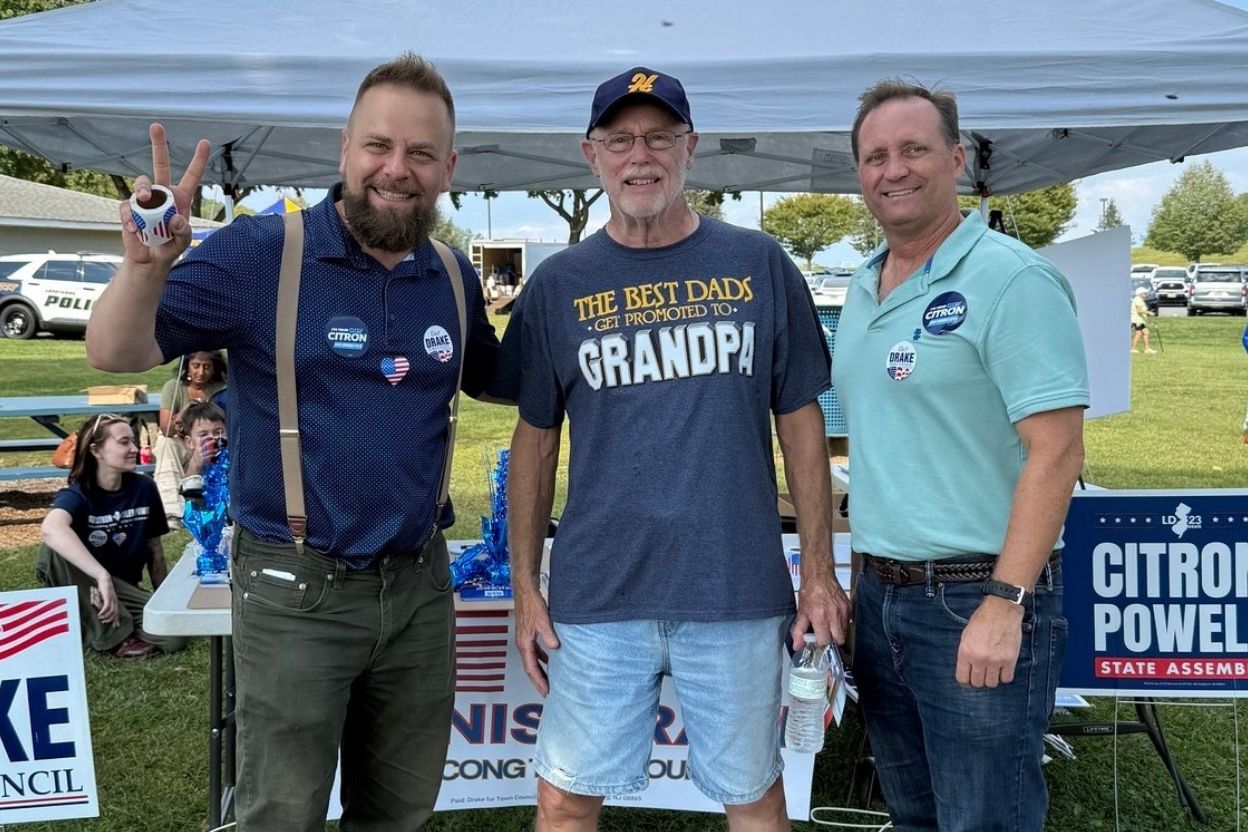
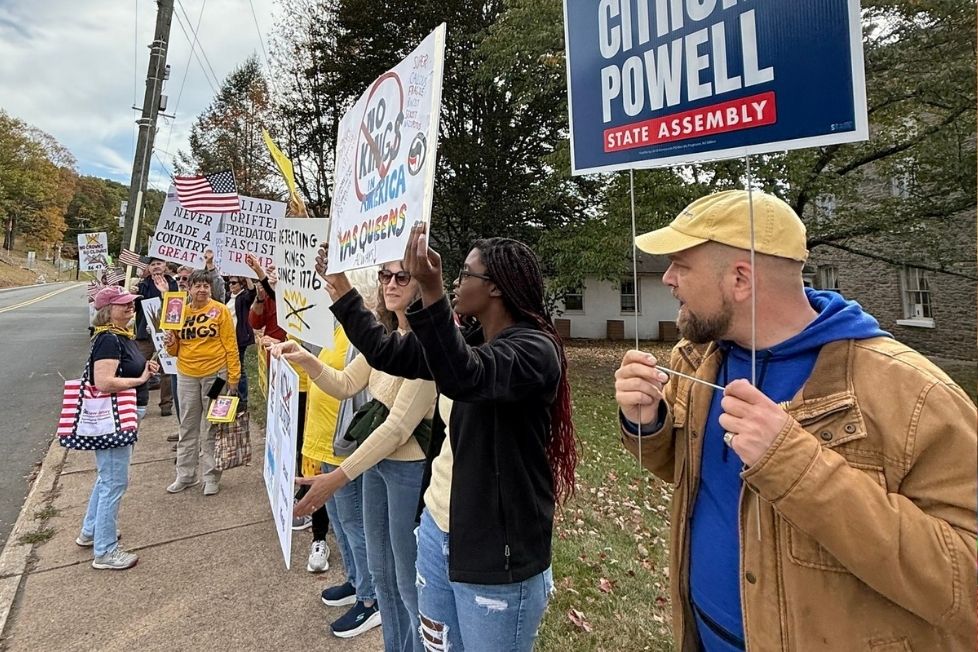
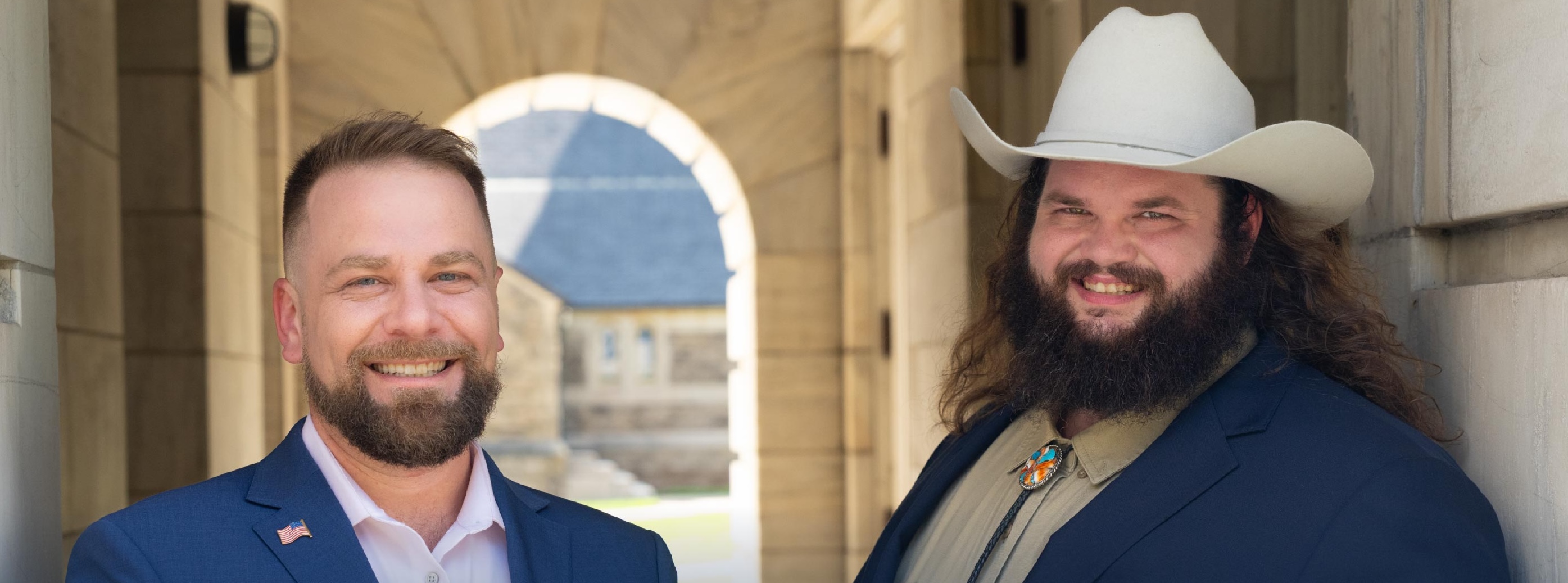
Guy Citron and Tyler Powell’s campaign for New Jersey’s 23rd Legislative District was not expected to be competitive. Running together for Assembly, the pair represented an unconventional ticket: Citron, a vocal advocate fighting overdevelopment and discrimination at public meetings, and Powell, a cybersecurity expert who had experienced homelessness before rebuilding his life protecting critical infrastructure. The district had been drawn to deliver Republican victories reliably, and for years, it did exactly that.
“LD23 is not designed to be a Democratic district,” explains Trent Levitt, Citron’s campaign manager. “So we had a very large uphill battle, and we did the best we could, and we got pretty darn close.”
Pretty darn close turned out to be a 4.5-point margin. And across multiple election cycles, the campaign contributed to a 21-point overall shift in voter preference. That change was not driven by national narratives or party alignment, but by sustained local presence and issue-based engagement, proving that in districts designed to reinforce partisan outcomes, consistent authenticity can still reshape how voters respond.
Challenges and results
-
The challenge
- Competing in a gerrymandered legislative district designed to deliver consistent Republican victories, with limited institutional backing and a largely volunteer-run operation.
-
The solution
- A single digital platform to organize supporters, segment outreach around local issues, coordinate volunteers, and manage relationships across email, text, and events.
-
The results
-
21 point
overall shift, '21-'25 -
4.5 point
margin in oppositional district
Authenticity as infrastructure for modern campaigns
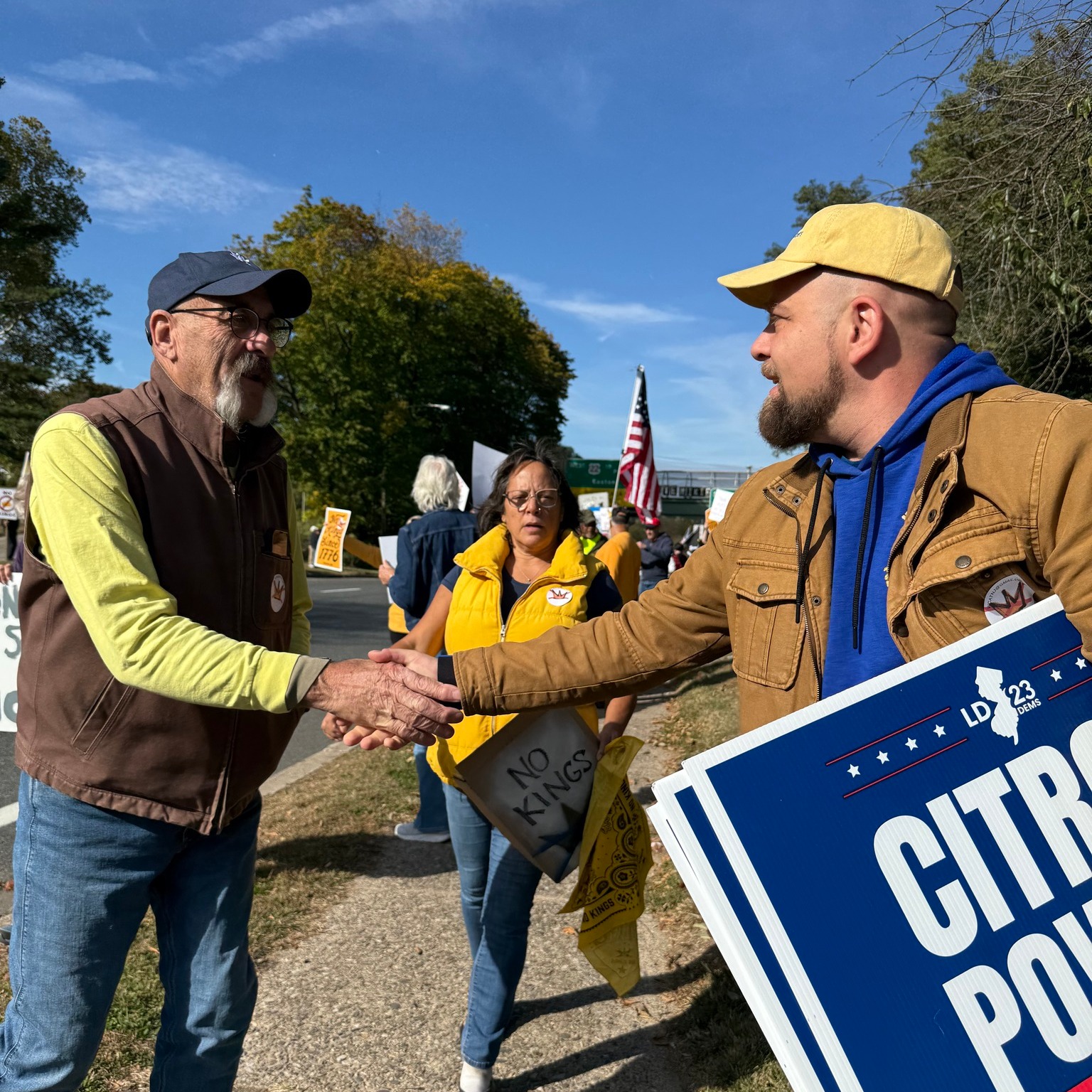
Citron did not build momentum by relying on traditional campaign playbooks. Instead, he focused on visibility, consistency, and credibility in public spaces.
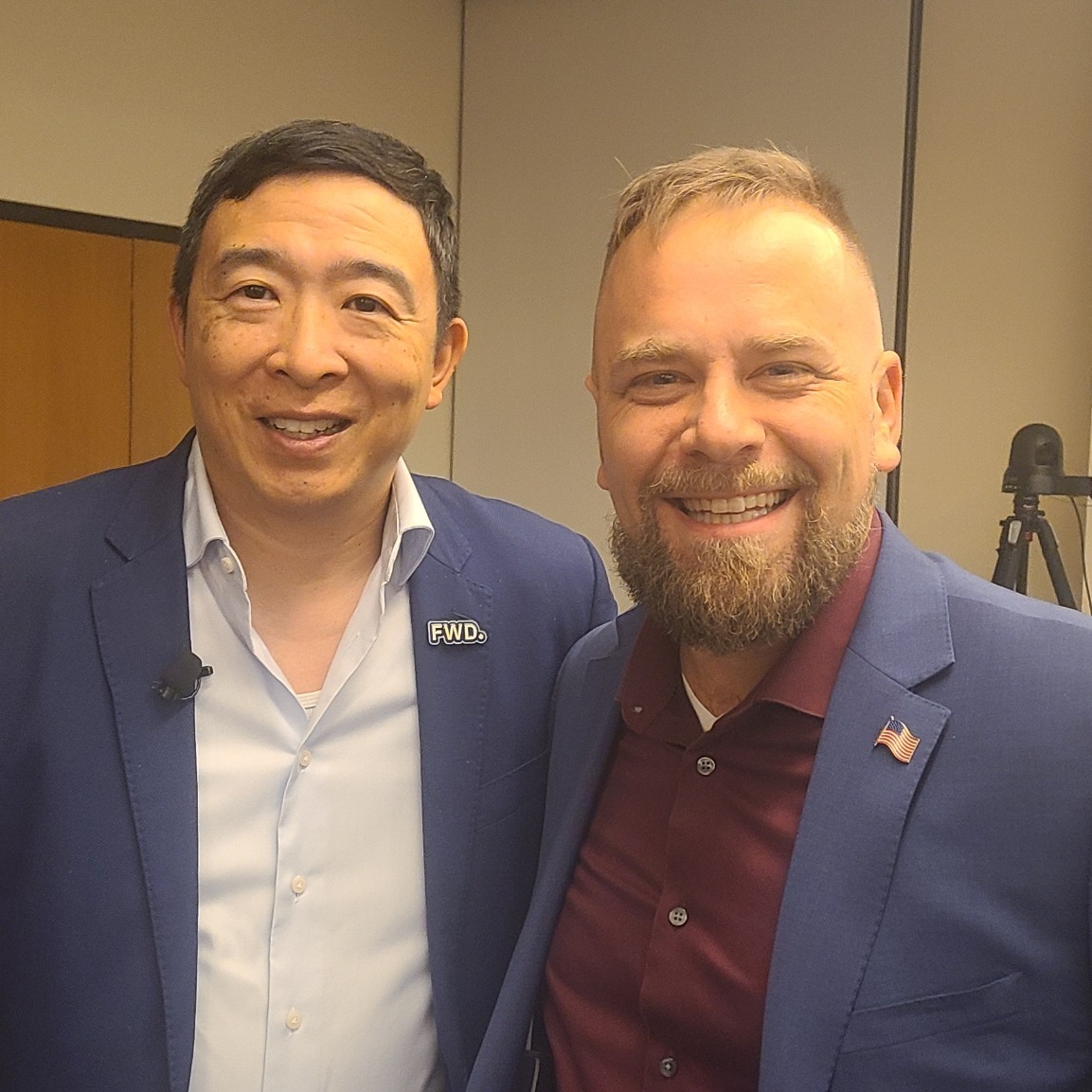
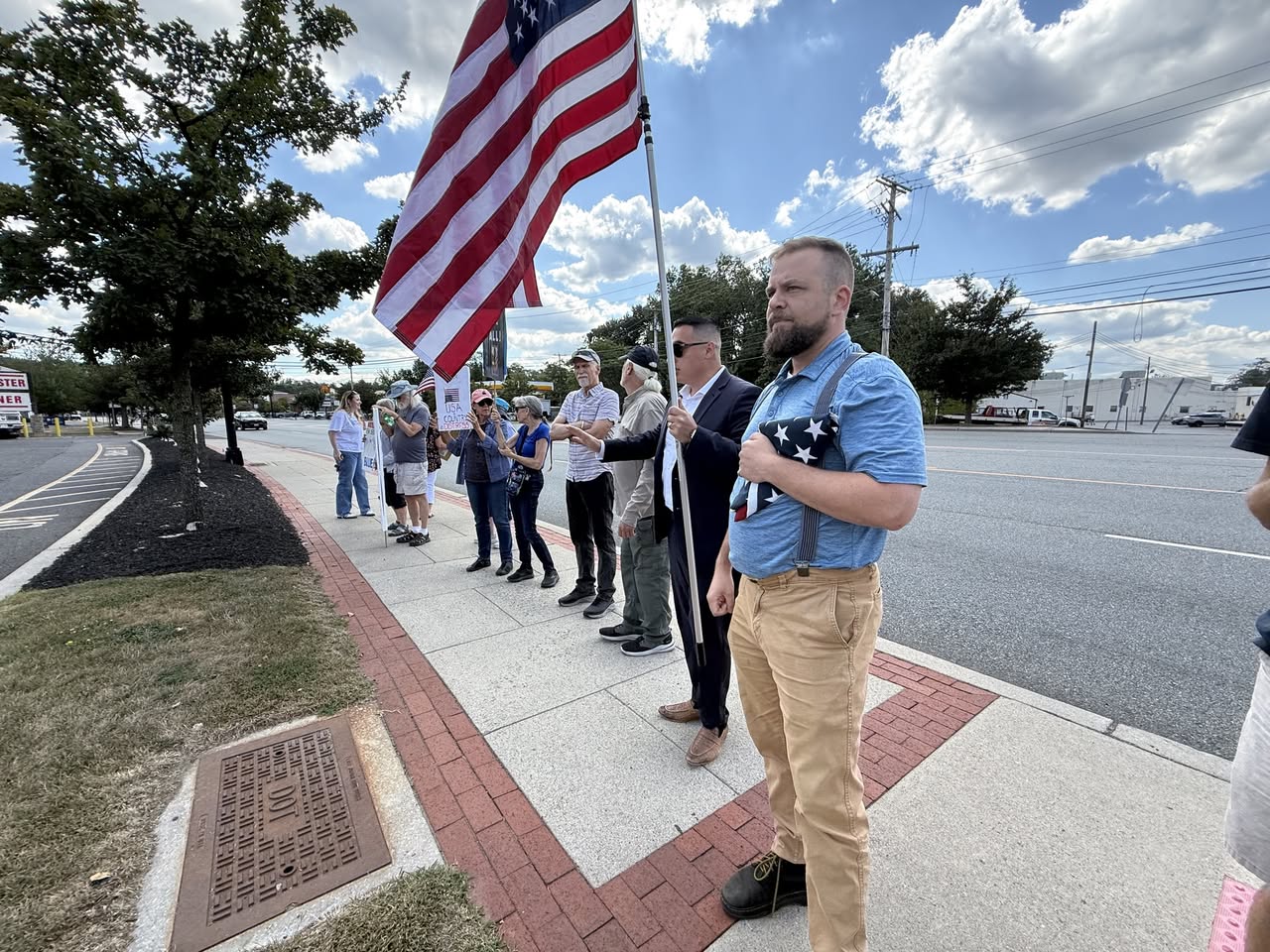
He showed up at board of education meetings defending transgender students’ rights, at town halls opposing warehouse and data center overdevelopment that threatened farmland, and at library board meetings standing with librarians against book bans.
“The biggest difference was actually being in public–going to public meetings and speaking on the microphone and being recorded and going viral several times,” Citron says. “[Showing] someone who’s not just a resume. This is a person who actually goes and fights.”
Showing up, even when it’s risky
That approach was not always politically comfortable. Speaking publicly in support of transgender students in a conservative-leaning district carried real risk. He defended the school system against activist book bans and publicly supports common-sense marijuana policy, including “home grow, safe consumption lounges at dispensaries, and expungement clinics for nonviolent marijuana-related crimes." Citron’s view is that clarity and conviction matter more than hedging.
“If you’re putting enough on the table, so to speak,” he says, "then whatever 'niche things' that you’re representing, it equals out.”
That consistency is what convinced Trent Levitt, a sitting councilman himself, to manage the campaign.
“I wouldn’t have worked for him otherwise,” Levitt says. “Guy and I are not 100% aligned on anything, but I know that he means what he says… He’s not here for any ulterior motives. When you can prove to people that you’re here for the right reasons, it does more than anything else.”

Citron's running mate, Tyler Powell, brought his own powerful story to the campaign. A cybersecurity expert who helps protect the electrical grid and water systems, Powell had experienced homelessness and lived out of his truck before moving to New Jersey and building a career in critical infrastructure protection.
A Rutgers graduate, family farmer, and Quaker, Powell's journey from the American Southwest, where he spent mornings tending horses and evenings working in his family's grocery store, to protecting New Jersey's infrastructure embodied the campaign's core message: public service isn't about credentials, it's about commitment.
Together, Citron and Powell represented what the Forward Party calls "the anti-politicians"—candidates defined not by partisan orthodoxy but by lived experience and practical solutions.
Building a coalition without deep pockets
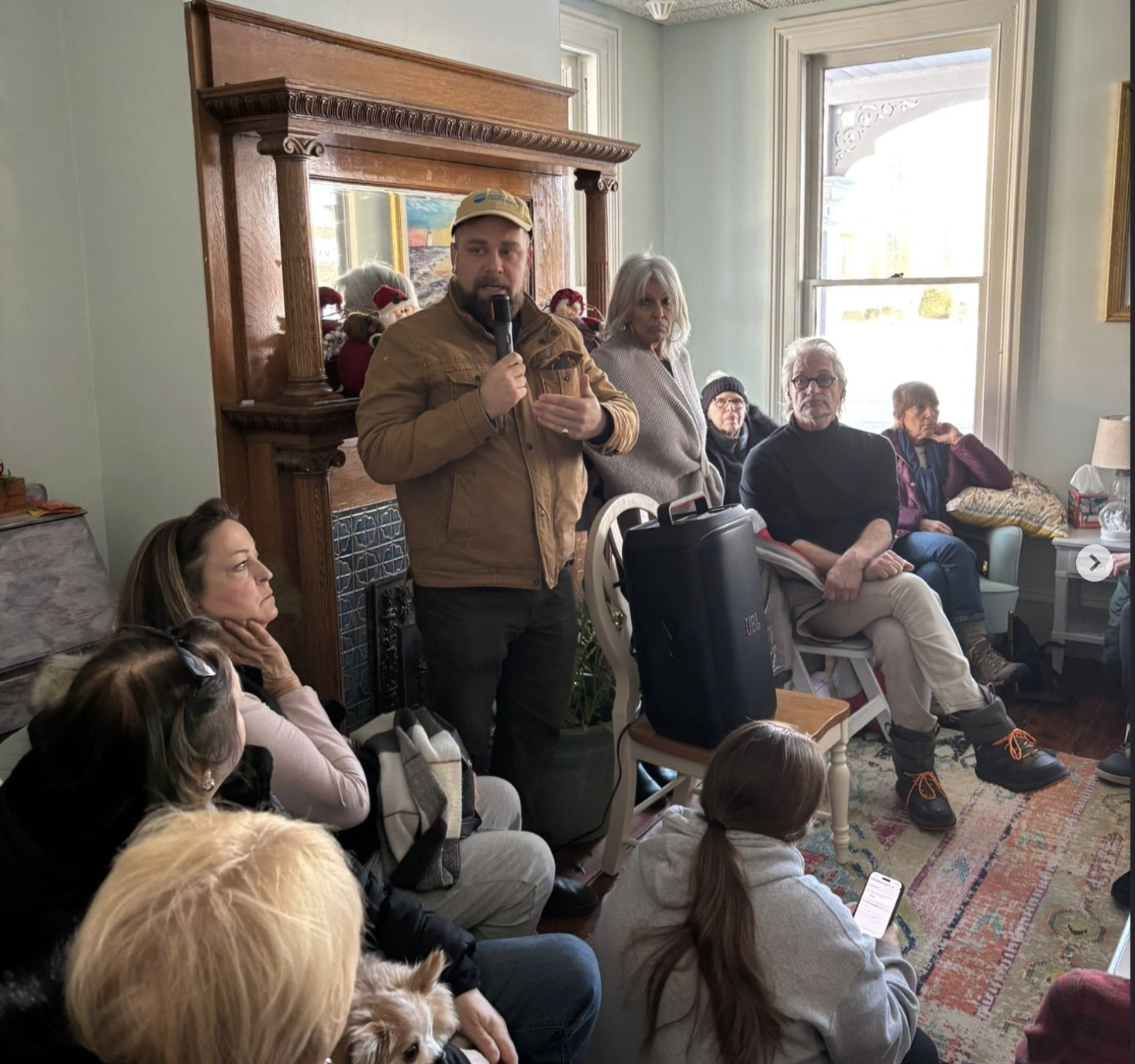
Citron’s attitude toward traditional party lines attracted the support of the Forward Party, the movement started by Andrew Yang and Christine Todd Whitman after Yang's 2020 presidential bid. With Forward Party endorsement but limited institutional backing, the Citron campaign needed tools to help a small team operate efficiently and stay organized.
Both Citron and Powell attracted Forward Party support with their unconventional profiles. Powell embodied the campaign's focus on practical problem-solving over partisan credentials. With Forward Party endorsement but limited institutional backing, the ticket needed tools to help a small team operate efficiently and stay organized.
NationBuilder became the central system for managing supporters, volunteers, and outreach.
Levitt largely ran the platform on his own, using it to organize volunteer lists, coordinate email communications, and track donor and supporter relationships as the campaign scaled.
“Guy would ask me to reach out to someone. And I’m like, I don’t know who the hell that is. So then I would go look them up, and there they’d be in NationBuilder, with their contact history,” Levitt explains.
Organizing around local issues, not party labels
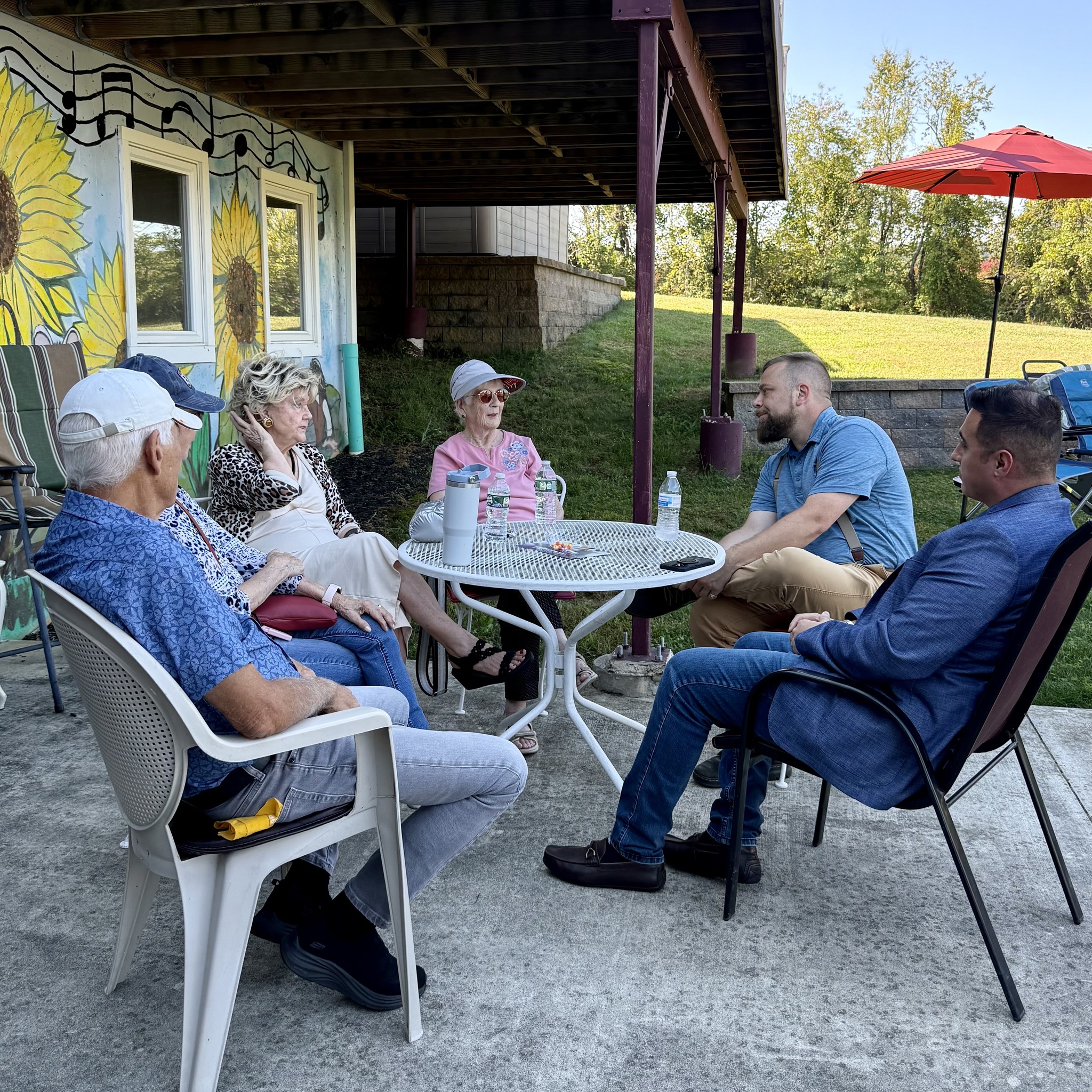
Using NationBuilder’s segmentation tools, the campaign focused outreach around local concerns rather than partisan identity. Messaging centered on warehouse and data center sprawl, flood protection, and preserving open space, issues that resonated across ideological lines. The campaign website served as a hub for volunteer coordination and event management, including joint events with other campaigns through integrations like Mobilize.
For a largely volunteer-driven operation competing against well-funded opponents, NationBuilder provided the digital infrastructure needed to stay coordinated, responsive, and focused on voter relationships.
Reforming the system from within
The campaign also sharpened Citron’s critique of the broader campaign finance system. As someone who was able to self-fund portions of his run, he is candid about the contradictions built into modern elections.
“What I did should be illegal,” Citron says. “And when I get in, I’ll make what I did illegal.”
He argues for public funding of campaigns and dramatically shorter election cycles, pointing to models like the United Kingdom, where campaigns last weeks rather than years.
A long campaign season plus a system that siphons money away haphazardly is a recipe for defeat, argues Citron. “We have other candidates from all over the country texting our constituents, trying to fundraise from our district during the race. The chaos of it is unbelievable. It’s cannibalistic.”
But the tension inherent to Citron’s candidacy is a feature, not a bug. Citron is willing to operate within the current system while actively working to change it.
Playing the long game of public service
When a constituent called about her township passing an unconstitutional ordinance banning door-to-door canvassing, Citron acted immediately. He connected her with a high-powered attorney and helped initiate a lawsuit. It was work unrelated to winning votes, but central to his understanding of public service.
“That’s putting people first,” he explains. “That’s saying, look, we have a crisis. We have a fire to put out. And if I don’t make the phone call, if I don’t connect resources to where something is wrong, then no one is going to.”
Citron pulls from a source not often called upon in New Jersey campaigns: Buddhism.
“In Buddhism, they have this concept of the Bodhisattva, which is the person who rejects enlightenment in order to make sure that all other sentient beings get there first. And in the West, I think that translates to public service.”
Change often happens incrementally, one meeting, one conversation, one election cycle at a time. The long game requires trust, consistency, and systems that support real relationships. Guy Citron is playing it.
The strategy for 2027 is straightforward: more advocacy through his nonprofit work, more public engagement, and, as John Lewis often said, “more good trouble.”
“That's all I can do, really," says Citron, "just continue to do the work."
Learn more about Guy Citron and Tyler Powell at LD23dems.com.